
Bartonville offers a distinctive setting, with beautiful properties and plenty of open space. For property
owners with acreage, horses, livestock, or other features of a large property, estate planning can
involve more than deciding who inherits the land.
Who would manage the property if you could no longer do so? Who would care for the animals? If
several family members inherit the land, what happens if they have different ideas about its future?
Thinking through these questions can help you create an estate plan that reflects both the property
itself and the responsibilities that come with it.
Why Larger Properties May Need Additional Planning
Land does not always divide easily among multiple beneficiaries.
Leaving a large property equally to several children, for example, may give each of them an ownership
interest. That can become complicated if one child wants to live on the property, another wants to sell,
and another has no interest in maintaining it.
An estate plan can provide clearer direction. Depending on your goals, you may want the property to
pass to one person while other beneficiaries receive different assets. You may also want to address
whether the property can be sold or how decisions about it should be made.
These conversations can be especially important when a property has been in the family for years and
keeping it in the family matters to you. An estate planning attorney can help you consider the different
possibilities and put your wishes into a plan.
Don’t Forget About the Animals
Horses and livestock require a different kind of planning because their needs do not stop when an
owner becomes incapacitated or dies.
Someone needs to know who should take responsibility for the animals and how their care will be paid
for. That may include feeding, boarding, veterinary care, farrier services, medications, and other
ongoing expenses.
Your estate plan can address who should receive particular animals and provide a plan for their care.
Under Texas Property Code Sec. 112.037, a trust can be created to provide for the care of an animal
during its lifetime.
It is important to choose someone who is both willing and able to take on that responsibility. A person
who loves your horse may not have the property, experience, or financial resources needed to provide
long-term care.
An estate planning attorney can help you decide how to address your animals as part of the larger
plan for your property.
Consider What Happens During Incapacity
Planning for a large property should also address what happens during your lifetime if you become
unable to manage things yourself.
Bills may still need to be paid. Property may require maintenance. Animals still need daily care.
Someone may also need authority to handle financial or property-related decisions on your behalf.
A properly prepared power of attorney can give someone you trust authority to handle certain financial
matters if you become incapacitated. This can be especially important when a property has ongoing
expenses and responsibilities that cannot simply be put on hold.
Thinking about who could step in and what authority that person would need can help prevent
uncertainty during an already difficult situation.
A Trust May Make Sense for the Property
A revocable living trust can be useful for some owners of large or complex properties.
Property properly transferred into a trust can generally pass according to the trust’s terms without
going through probate. A successor trustee may also be able to manage trust property if the person
who created the trust becomes incapacitated.
That can be particularly useful when property requires ongoing attention. Instead of focusing only on
who eventually receives the land, the trust can provide a structure for managing it during a transition.
A trust is not automatically the right choice for every property owner. An attorney can help determine
whether it makes sense based on the property, family circumstances, and long-term goals.
Agricultural Valuation Can Add Another Consideration
Some Texas landowners receive an agricultural or wildlife management appraisal that allows
qualifying land to be taxed based on its productive value rather than its market value.
If your Bartonville property receives this type of appraisal, it is worth considering what may happen
after ownership changes. Future use of the property can affect whether the land continues to qualify.
In some circumstances, a change in use may also have property tax consequences. You will need to
check with the appraisal district to see if you will still qualify for these exemptions.
Your beneficiaries should understand these considerations if maintaining the property’s current use is
important to your overall plan.
Estate planning and property tax rules involve different issues. An attorney can help identify questions
that may need additional attention when planning for the transfer of the property.
Leave Practical Instructions Along With Your Legal Documents
Not every detail belongs in a will or trust.
A separate letter of instruction can give family members or other caretakers practical information they
may need right away. For a property with horses or livestock, that might include feeding routines,
medications, veterinarian and farrier contact information, or boarding arrangements.
You can also document information about equipment, property maintenance, service providers, gates,
utilities, and other details someone would need to know if they suddenly had to step in.
These instructions do not replace your legal documents. Instead, they provide practical information
that can make those first days and weeks easier for the people responsible for carrying out your plan.
Frequently Asked Questions
Will my property lose its agricultural valuation if I leave it to my children?
Not necessarily. A change in ownership does not automatically mean that qualifying land will lose its
agricultural appraisal. However, future use of the property can affect whether the land continues to
qualify. If preserving the property’s current tax treatment is important to you, it should be considered
when planning for the transfer.
Can I leave specific animals or equipment to specific people?
Yes. An estate plan can provide for particular animals, equipment, vehicles, and other property to go to
specific beneficiaries.
With animals, it is also important to consider whether the person is willing and able to provide the
necessary care. You may also want to address how that care will be funded.
What happens to my horses immediately after I die?
That depends on the planning you have in place and the circumstances at the time. Since horses
need continuous care, it is important to identify who should step in and make sure that person has the
information needed to do so.
Legal documents can establish authority and provide for longer-term arrangements. A separate care
plan can provide the practical details someone may need immediately.
Make Your Property Part of the Plan
A large property may represent years of work, family history, and a way of life you hope to preserve.
When land, animals, equipment, and ongoing property responsibilities are involved, an estate plan
should address more than who receives the property.
Our experienced team at Leigh Hilton PLLC helps individuals and families in Bartonville and
throughout Denton County create estate plans that reflect their property and priorities. We can also
help address important considerations involving family members, animals, and the future of the
property. To discuss how your property fits into your estate plan, call our office at 940-387-8800 or
reach out through our website to schedule a consultation.
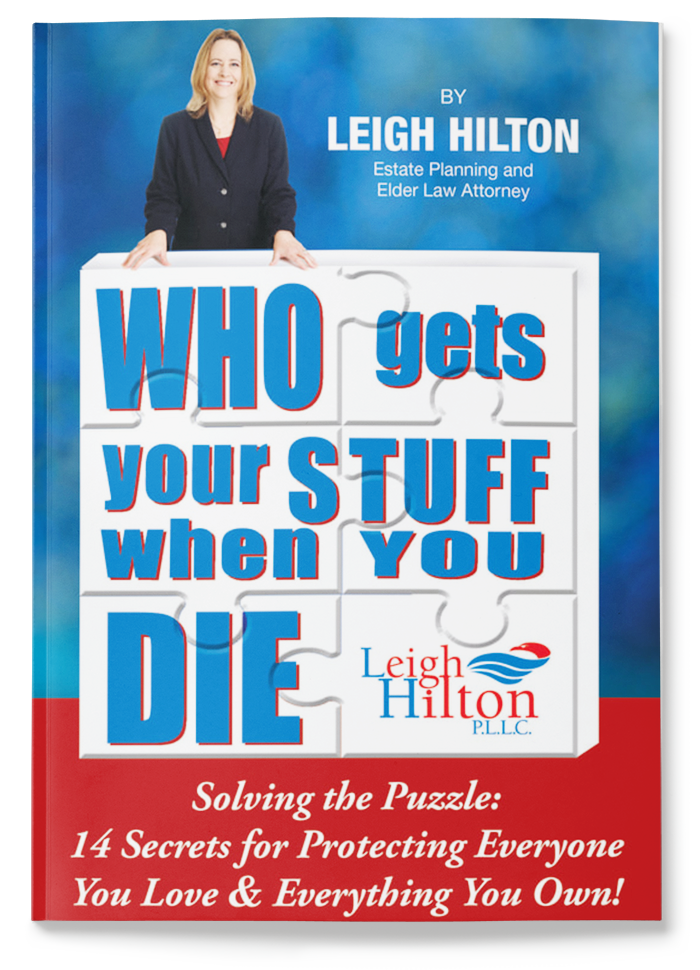
Register Here to get a Free Copy of Leigh's book, "Who Gets Your Stuff When You Die"
Office Hours
Monday: 8:30am - 5pmTuesday: 8:30am - 5pm
Wednesday: 8:30am - 5pm
Thursday: 8:30am - 5pm
Friday: 8:30am - 5pm
Denton
Aubrey
Bartonville

FOLLOW US ON:


